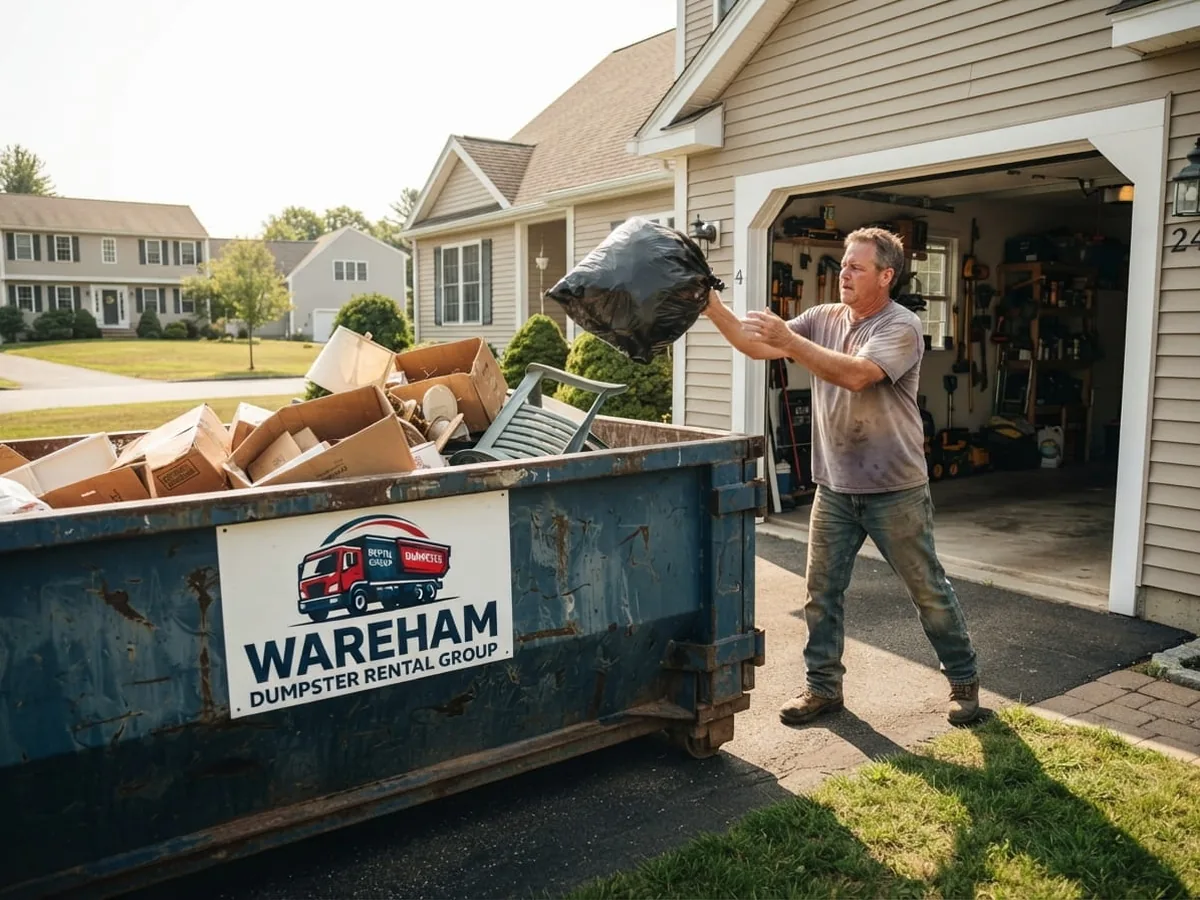
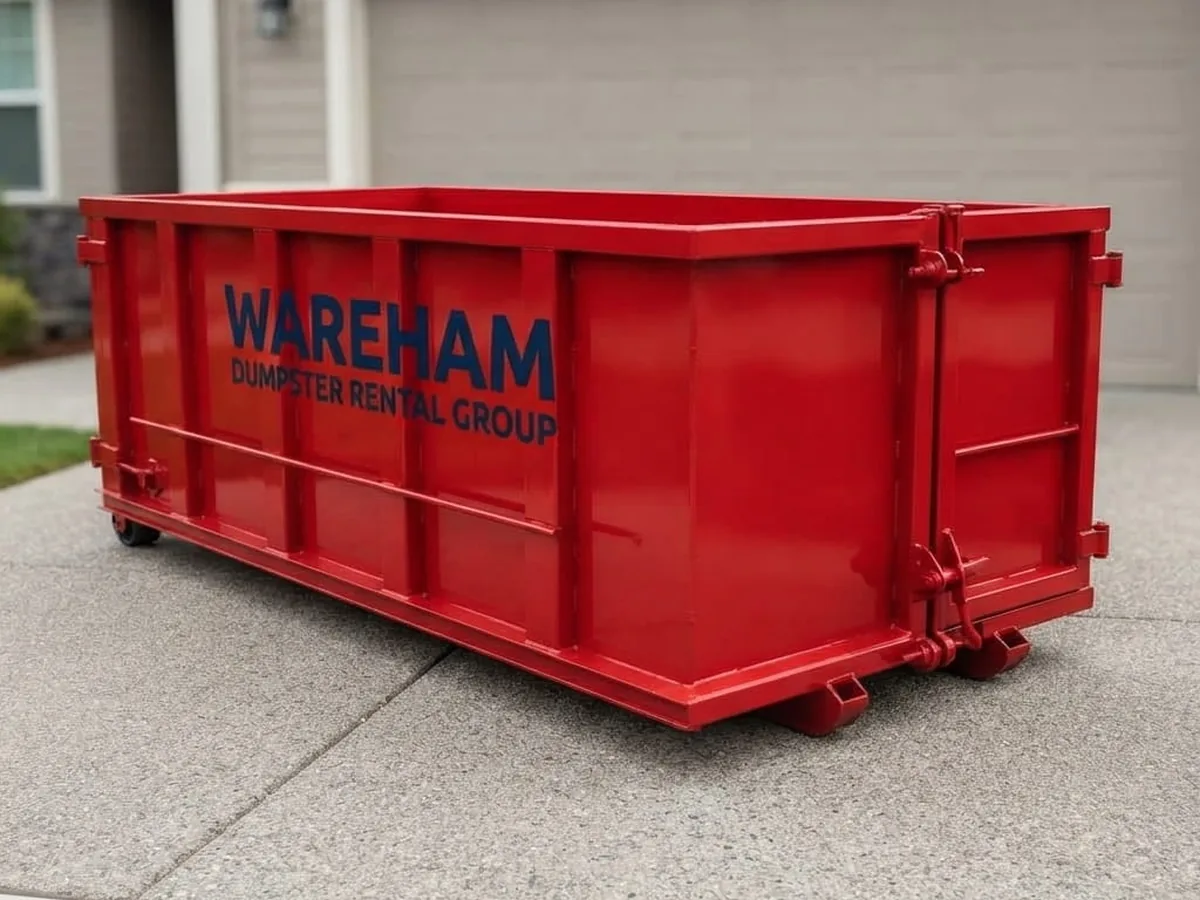
As each summer season ends and the shoulder seasons arrive, cleanout and rental-turnover work picks up in earnest across the Wareham area. It's less “spring cleaning” in the light dusting-and-vacuuming sense and more a real, physical catch-up on everything a long New England winter put on hold — storm debris, a backlog of stuff piled in the garage since November, and yard work that simply wasn't possible under snow cover. Here's what actually drives the timing and the sizing for a turnover cleanout in this part of the Cape.
Why Turnover Season Runs on Its Own Clock on the Coast
Wareham's economy runs on a summer visitor season and a huge stock of seasonal rentals and second homes — so the heavy cleanout work clusters at the shoulder seasons, when tenants leave, owners prepare properties, and a season's worth of wear and storm damage all comes due at once. Snow cover and frozen ground typically linger into March in the Wareham area, later than in warmer parts of Massachusetts closer to the coast, so a yard and driveway cleanout that starts in late February farther south often doesn't make sense here until well into April. Waiting for a real thaw, rather than the first mild weekend, means less chance of a dumpster sitting on a driveway that's still half ice.
What the Season Leaves Behind
At turnover it's common to find what a season of tenants and storms left behind — downed limbs from nor'easters and coastal blows, storm-damaged fencing, gutters pulled loose, worn furniture and appliances, and the general accumulation of a full rental season. None of that is dramatic on its own, but it adds up to real volume, and it's the most obvious driver of a spring container rental for a lot of Wareham-area homeowners.
The Garage, Attic and Basement Backlog
Winter also tends to produce an indoor backlog. Anything that would normally get hauled to the dump or dropped at a donation center over the winter months often just gets set aside instead, since driving with a truck bed full of loose junk on icy roads isn't worth the trouble. By the time spring arrives, garages, attics and basements across the area are holding months of deferred decisions — old furniture, holiday decorations that never quite made it back to storage, and the general accumulation that builds up over a Massachusetts winter spent mostly indoors.
What Can Go In a Turnover Cleanout Dumpster — and What Massachusetts Bans
A roll-off handles most of what a turnover cleanout turns up: furniture, general household junk, yard debris, wood, and construction-style debris from any small repairs made over the winter. Massachusetts does bar a specific list of materials from regular trash and landfill disposal statewide, and it's worth knowing before you load: asphalt pavement, brick and concrete; metal appliances; lead-acid batteries; glass, metal and plastic containers; recyclable paper and cardboard; treated and untreated wood; whole tires; and, since November 2022, mattresses and textiles as well. Yard waste and leaves are also on the state's banned list for regular disposal. We'll tell you up front which of your turnover cleanout items need a different path so nothing you load ends up getting bounced at disposal.
Timing Your Rental Around Mud Season
The stretch between the last real snow and the ground fully firming back up — often called mud season in this part of New England — is its own timing consideration. A driveway or yard that's still soft from spring thaw is more prone to rutting under a heavy container, and access for a delivery truck can be tighter if a yard is genuinely waterlogged. Booking a little later, once the ground has firmed up, or flagging a soft yard when you schedule, helps the driver pick placement that won't leave marks once the container comes back off.
Sizing a Container for a Turnover Cleanout
Most turnover cleanouts here land in the 15 to 20 yard range — enough for a garage clear-out plus a season's worth of yard debris, without paying for space you won't use. A single room or a lighter yard-only job can often work in a 10 yard. A whole-house cleanout, or a spring job that's really an excuse to finally clear a basement too, is where a 30 yard earns its keep. Call and describe what you're clearing; we'll size it honestly rather than push whatever's sitting in the yard.
When a Turnover Cleanout Turns Into a Renovation
It's common in the Wareham area for a turnover cleanout to uncover a bigger job once the clutter is out of the way — a roof that took real damage from a coastal storm, siding that needs replacing, or a deck worn out by seasons of salt air and weather. If clearing out the garage turns into a full spring project list, it's worth talking through the whole scope on one call rather than booking a small cleanout container now and a second, larger one later for the renovation debris. We'd rather size the job right the first time than have a container show up twice for the same driveway.